Marta Shocket about how climate change affects mosquitoes what that means for mosquito-borne diseases. Warmer weather can also increase the number of mosquitoes ticks and other insects exposing people to deadly mosquito-borne and tick-borne diseases like Lyme disease Zika virus and malaria.
Mosquito Borne Diseases Could Reach Extra One Billion People As Climate Warms
Clair speaks to Dr.

How climate change affects mosquitoes. Marta Shocket about how climate change affects mosquitoes what that means for mosquito-borne diseases. Why Mosquito Populations Grow in Warmer Weather. Researchers forecast different scenarios depending on the extent of climate change.
West Nile now the most common mosquito-borne illness in. Once the temperature is below 50 many will hibernate in a warm hole while others will lay their eggs and die. On the one hand areas with higher rainfall and higher temperatures can expect higher rates of dengue transmission because the mosquitoes thrive in warm moist environments.
How Cooler Temperatures Affect Mosquitoes Mosquitoes prefer temperatures around 80F but can still survive in temperatures as low as 50F. This paper addresses the possible effects of climate change on mosquitoes including longer breeding seasons and increased hatch rates of populations. Scientists broadly agree that climate change will affect insect-borne diseases but the exact consequences remain uncertain.
More than a million die each year and many more are disabled. Mosquitoes are cold-blooded animals and need warmth in order to survive. How does climate change affect disease.
According to Maria Diuk-Wasser at the Yale School of Public Health the onset of human-induced global warming is likely to increase the infection. The enlarged population will cause mosquitoes to seek more territory and the warmer climate will in turn make more territory available. Mosquitoes lay eggs in standing water.
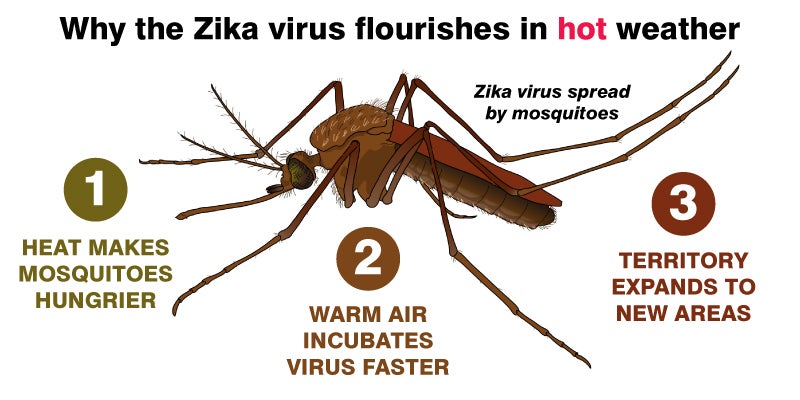
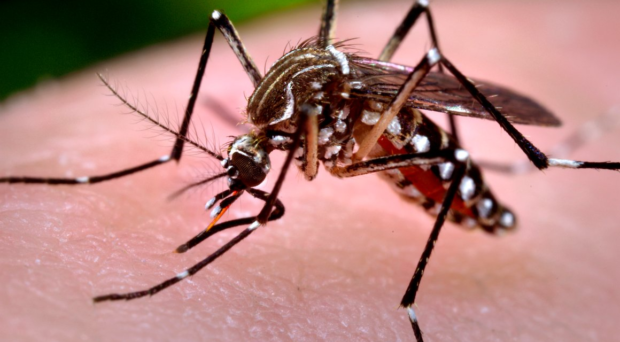
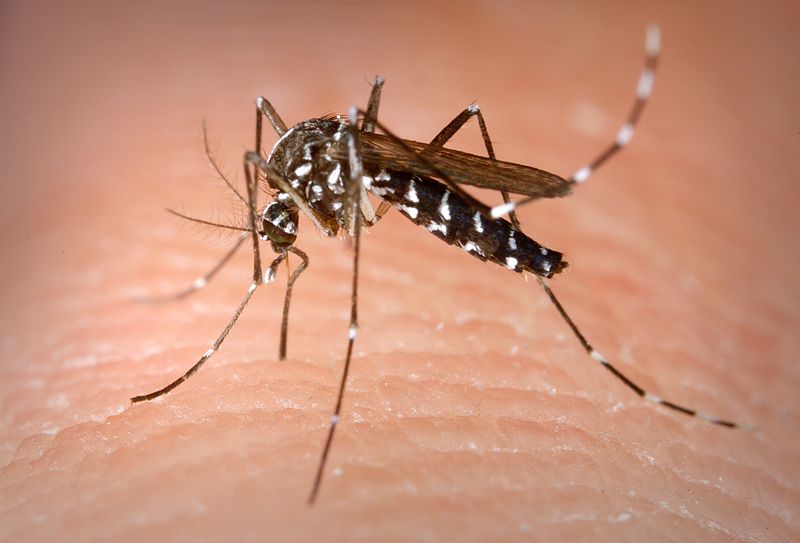
Zika is a vector-borne viral disease transmitted to humans primarily by Aedes aegypti mosquitoes. As the globe warms mosquitoes will roam beyond their current habitats shifting the burden of diseases like malaria dengue fever chikungunya and West Nile virus. Friday May 8th 2020 326 pm - From our Viral Weather program.
While infection with the zika virus is not new the recent epide. It can force the migration of plants people animals bugs and disease. The most immediate and recent effects of climate change in Louisville are warmer temperatures higher precipitation levels more severe allergies and increased water treatment costs.
Female mosquitoes are the ones that bite and warmer weather makes them more likely to do so. BY Rob Jordan Stanford Woods Institute for the Environment. Clair speaks to Dr.
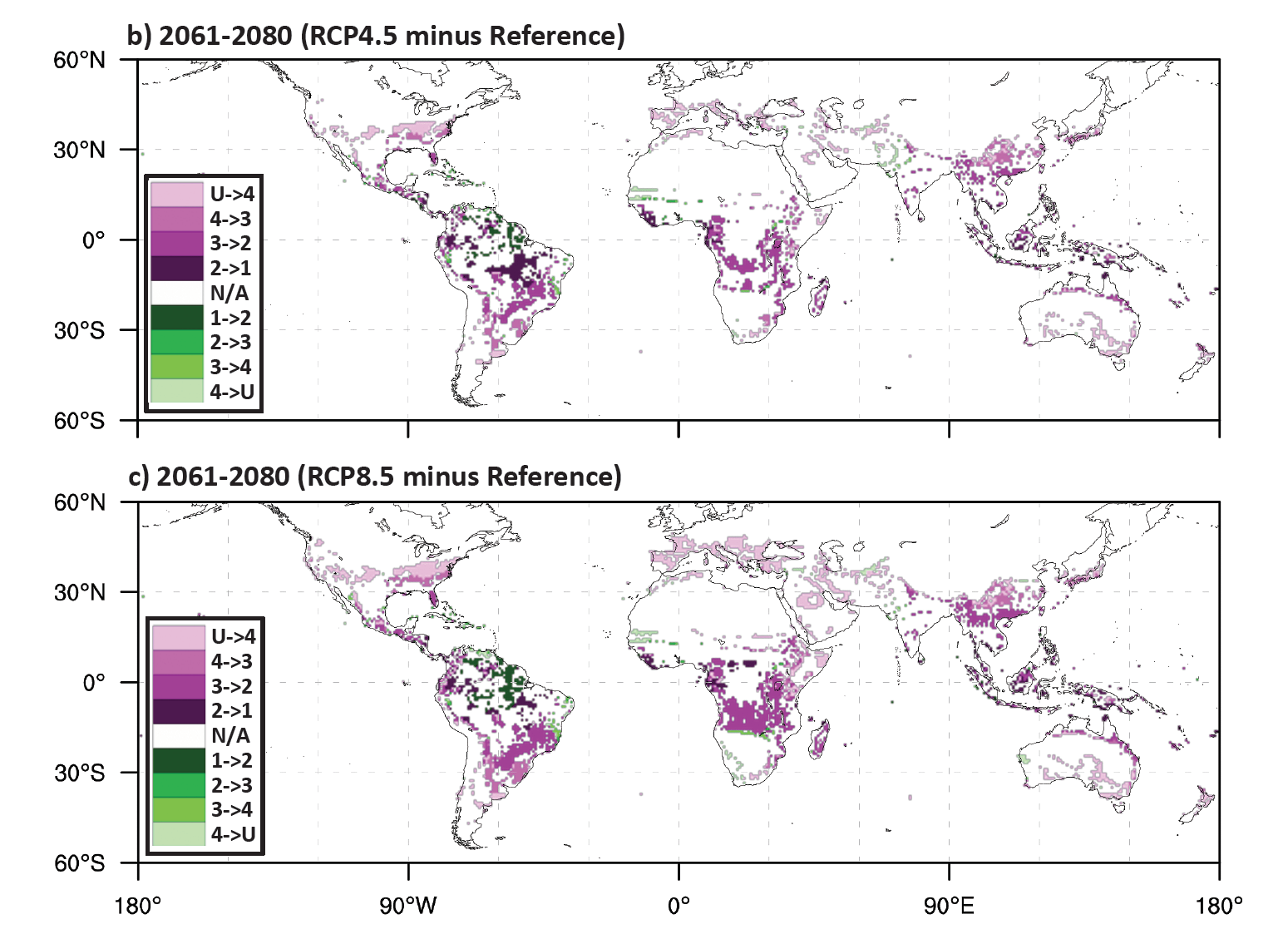
Development and associated humidity affects mosquito survival and flight2324 Changes in temperature precipitation and humidity were determined from recorded climatic data or from projected climatic values by use of different scenarios of climate change eg the 2014 Intergovernmental Panel on Climate Change report25 Regarding modelling. Shifts in precipitation levels caused by climate change could also have an effect on where. Climate change doesnt just shift weather patterns.
In some areas that shift will be much more dramatic. By the end of this century almost all of. Climate change promotes the spread of mosquito and tick-borne viruses.
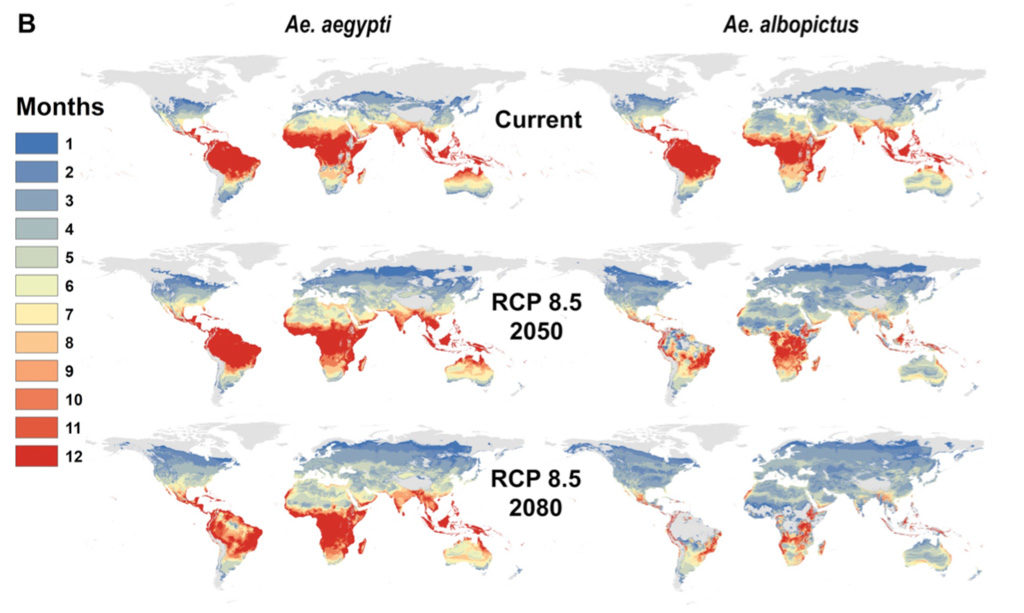
And finally we looked at. If rising temperatures persist an additional 1 billion people could be exposed to disease-carrying mosquitoes by 2080 according to a study published in PLOS Neglected Tropical Diseases in March. Two out of four contribute to a rapidly rising mosquito population.
The ongoing COVID-19 pandemic is coinciding with the spring warmup delayed though it may be depending on what province youre in. Climate change greatly influences the El Niño cycle that is known to be associated with increased risks of some diseases transmitted by mosquitoes such as malaria dengue and Rift Valley fever. The increased climate instability has contributed to the emergence of infections carried by mosquitoes like dengue chikungunya and zika.
The effect of future climate change on the rates of dengue transmission is complex. From our Viral Weather program. Climate change is affecting disease-carrying mosquitoes and other insects.
Whether warmer wetter conditions make it easier for vectors such as mosquitoes to multiply and spread disease will depend on a much broader range of ecological and societal factors than just rainfall or temperature. Insect-borne diseases such as malaria dengue West Nile and the newly emerging chikungunya infect a billion people every year. We also did research into what impact changes in climate are having on the efficacy of insecticides aimed at malaria vectors.
3 Reasons The Zika Outbreak May Be Linked To Climate Change
Impact Of Climate And Climate Change On Vector Borne Diseases Bugbitten
Climate Change To Widen Range Of Disease Carrying Mosquitoes
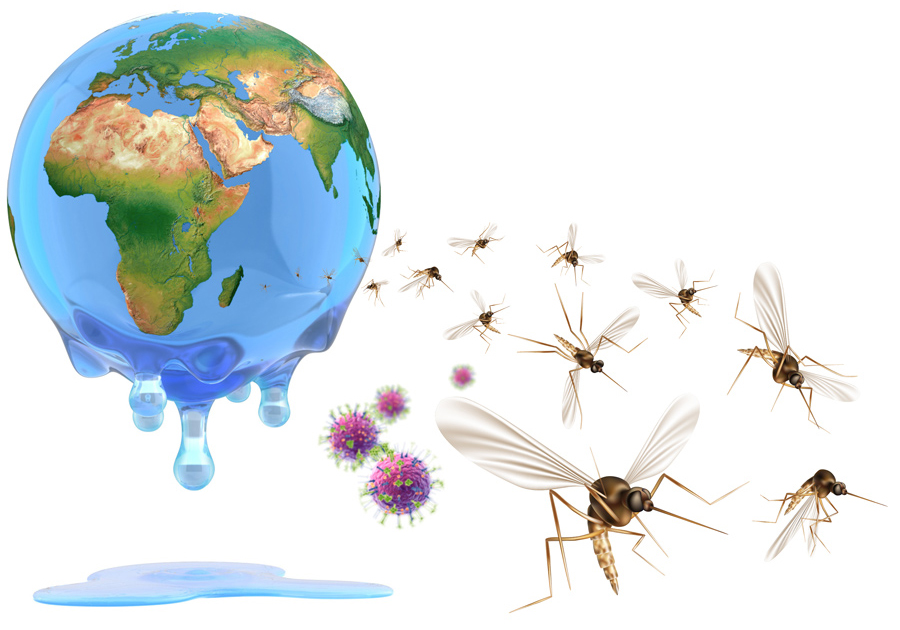
Climate Change Impacts The Transmission Of Vector Borne Diseases Research Outreach
Climate Risk And Spread Of Vector Borne Diseases Climate Nexus

How Climate Change Will Put Billions More At Risk Of Mosquito Borne Diseases Pbs Newshour

Will Climate Change Affect The Spread Of Tropical Diseases World Economic Forum

How Does Climate Change Affect Disease

Climate Change Could Affect Mosquito Borne Diseases In Asia The Lancet
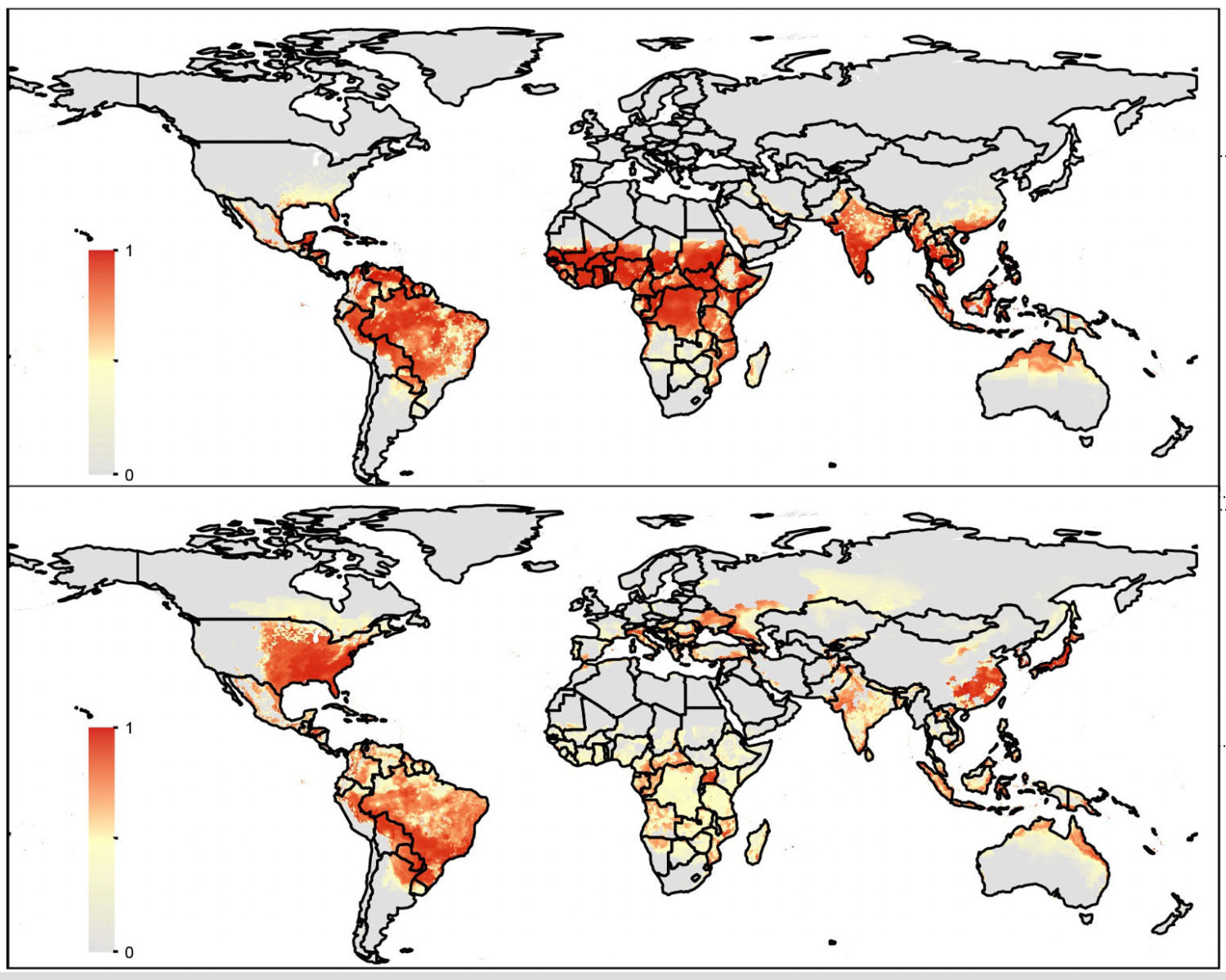
Climate Change Will Expose Half Of World S Population To Disease Spreading Mosquitoes By 2050 Yale E360
How Climate Change Is Exacerbating The Spread Of Disease

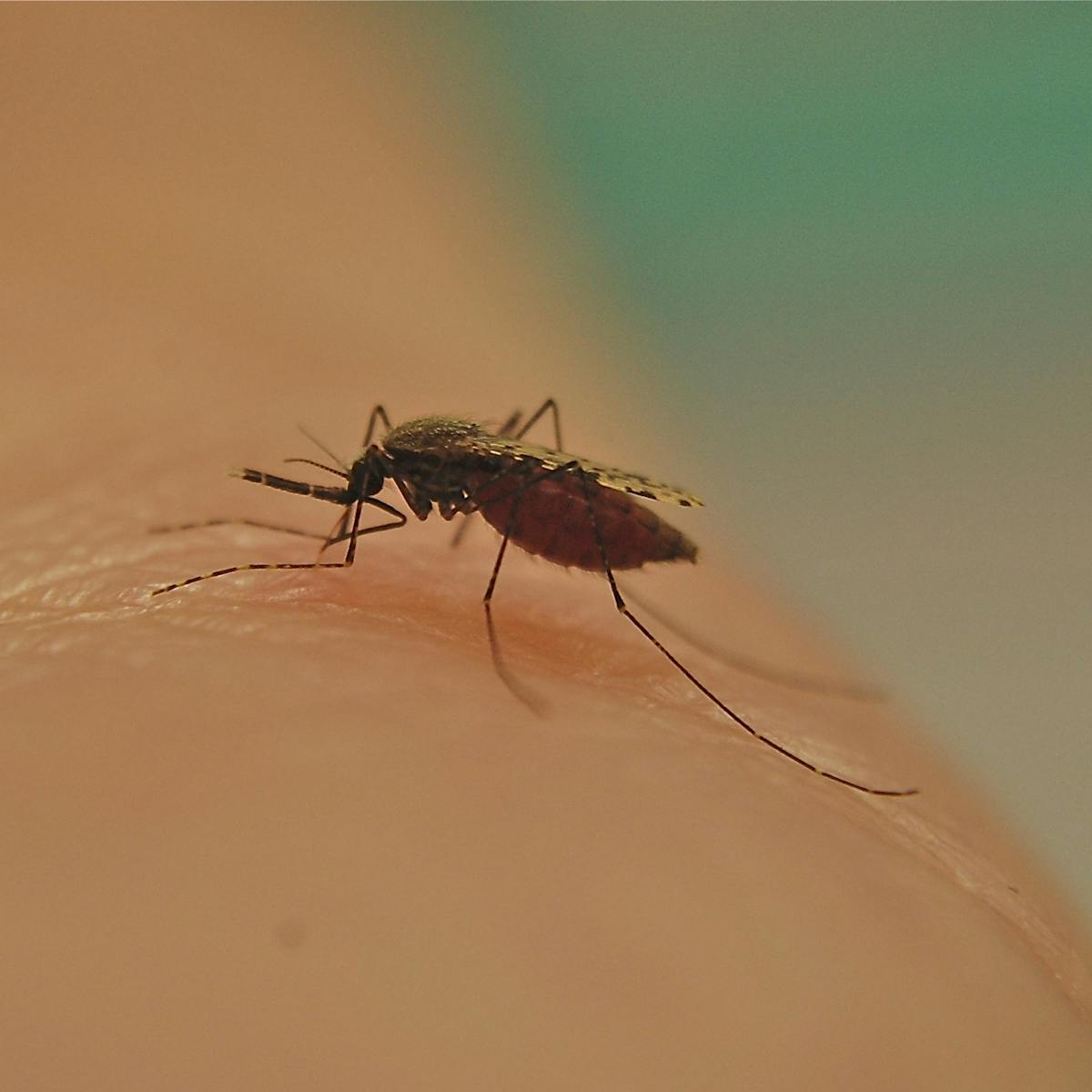
Hard Evidence Will Climate Change Affect The Spread Of Tropical Diseases
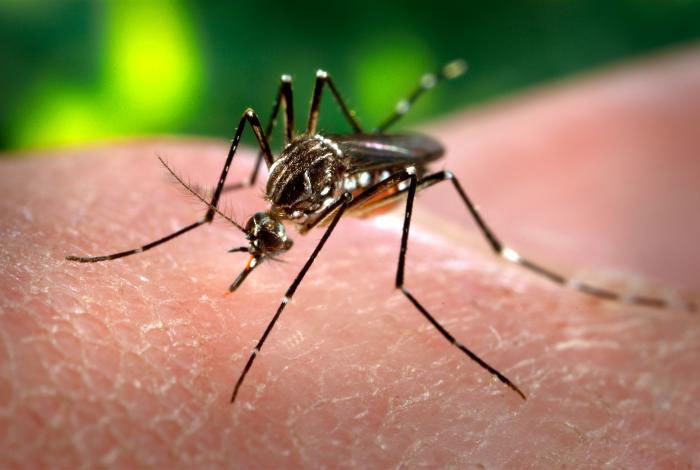
Climate Change Will Expose Half Of World S Population To Disease Spreading Mosquitoes By 2050 Yale E360
How Does Climate Change Help To Spread Diseases